Engineered Wood Flooring in Pet-Friendly Households: Pros and Cons
April 08, 2026
How Resilient is Engineered Wood Against Scratches and Mechanical Damage?
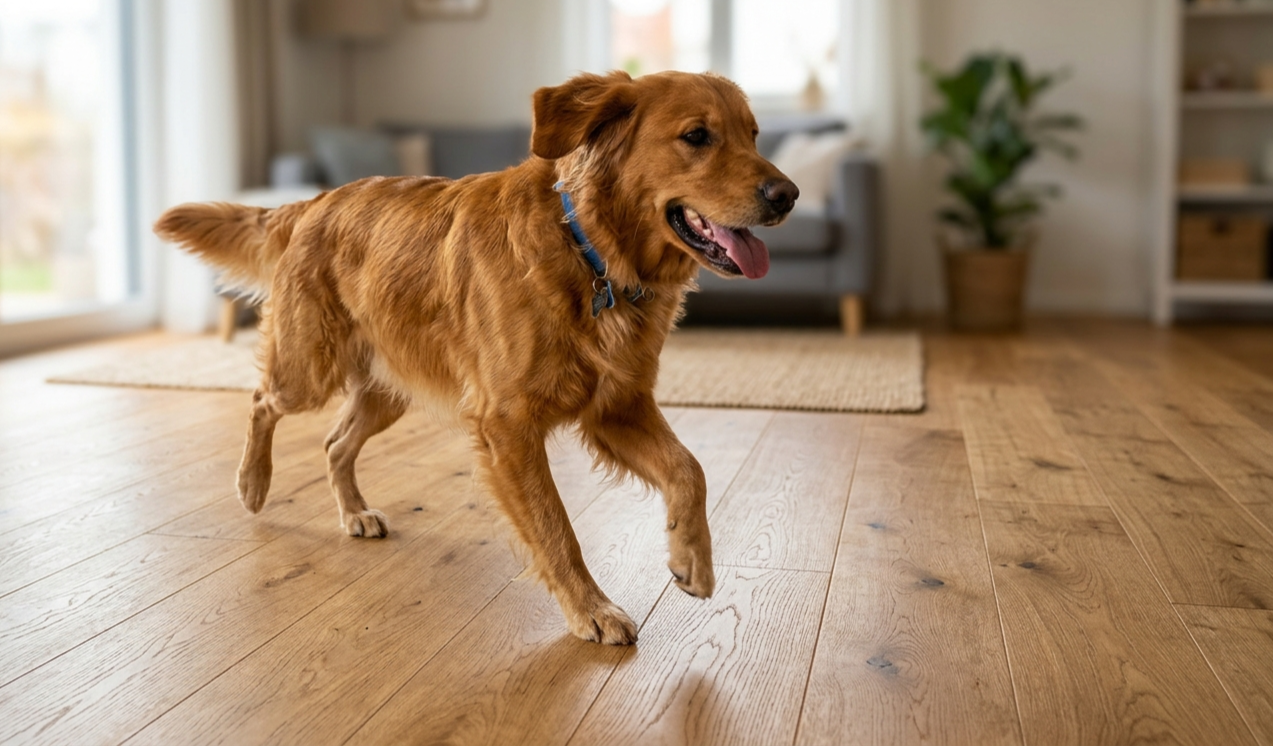
Engineered wood flooring is considered one of the most resilient options for homes with pets. Its multi-layered construction provides exceptional strength and stability under pressure. The top layer, made of genuine hardwood, is designed to withstand daily wear and tear, including the active movement of pets.
In households with animals, the primary concern is usually claws leaving marks on the floor surface. However, modern engineered wood features a sufficiently dense top layer, making minor scratches far less common than with softer wood species or solid wood planks. It is also important to note that the extent of damage depends not only on the material but also on the pet's behavior; the more active the animal, the higher the likelihood of visible wear.
Nevertheless, selecting the right surface finish can significantly increase scratch resistance, making these floors far more practical for cat and dog owners. In the long term, engineered wood displays excellent durability against everyday stressors. Even when minor signs of use appear, they are often less visible because the natural wood grain helps camouflage scratches, and the overall wear of the flooring occurs gradually and evenly.
Which Wood Species and Finishes are Best Suited for Pet Owners?
When choosing engineered wood for a pet-friendly apartment, particular attention should be paid to the wood species.
Hardwood species are the most practical choice, as they resist mechanical impact better and retain their appearance for years. Oak is one of the most popular options due to its high density and longevity, easily handling the stress of active pets.
Recommended wood species for households with pets include:
- Oak – One of the most durable and resilient options.
- Ash – Offers excellent scratch resistance.
- Walnut – Combines elegance with high durability.
- Thermo-treated wood – Provides increased density and stability.
The type of surface finish is equally critical. To enhance practicality, manufacturers use specialized formulas:
- Wear-resistant lacquer – Provides maximum surface protection.
- Hard-wax oil – Maintains a natural look while offering high protection.
- Multi-layer protective treatments – Ensure additional long-term durability.
These solutions significantly reduce the likelihood of claw marks and make the surface more resistant to daily strain.
How to Protect Engineered Wood from Moisture, Scratches, and Wear
Even high-quality wood flooring requires proper maintenance. To preserve the floor’s appearance, it is essential to protect it against the factors most common in pet-owning households.
Moisture control is a key factor.
Since pets may have wet or dirty paws after a walk, it is advisable to use mats at entrances and dry up any water promptly. This prevents localized damage and preserves the integrity of the wood structure.
Regular nail trimming is also highly recommended.
This simple grooming step significantly reduces the probability of scratches and extends the lifespan of the floor, especially in high-traffic areas.
Finally, consistent maintenance is indispensable.
Using specialized wood cleaning products, performing gentle cleaning, and maintaining stable indoor humidity levels will help preserve the aesthetic appeal of engineered wood for many years.
Practical Tips for Daily Care:
- Place mats or runners in high-traffic areas.
- Clean the floor regularly using specialized wood care products.
- Avoid standing water and excessive moisture.
- Maintain stable room temperature and humidity.
- Regularly trim your pet's claws.
Conclusion
Engineered wood flooring is an excellent choice for pet owners, provided you select the right wood species and finishes and maintain the floor correctly. With proper care and attention, these floors retain their beauty and functionality over the long term, remaining a practical solution for active families with pets.