Wooden Floating Staircases: Elegance and Lightness for Modern Interiors
März 04, 2026
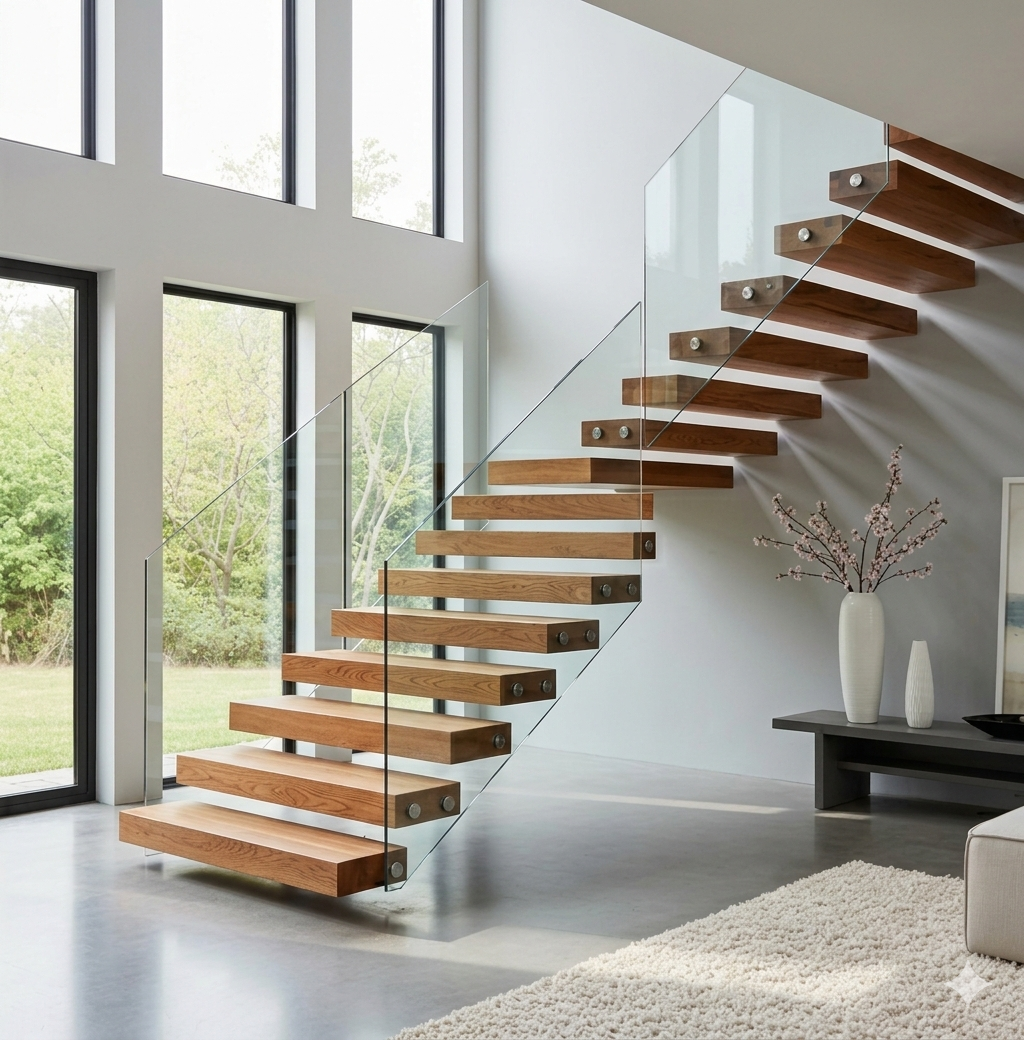
Wooden floating staircases fuse refined design with everyday function, making them a favorite in modern homes. Their open, suspended look creates a feeling of space and light while serving as a strong visual focal point.
Key Benefits of Wooden Floating Staircases
Floating wooden staircases bring a mix of style and practicality that suits contemporary interiors.
- Visual Impact: Clean lines and minimal structure give interiors a sophisticated, modern edge.
- Perceived Space: By opening sightlines, these stairs make rooms feel larger and more inviting.
- Design Flexibility: Profiles, finishes, and materials can be tailored to your décor and functional needs.
Together, these benefits enhance both the look and the livability of a home—good reasons to consider a floating design.
How Wooden Floating Stairs Lift a Modern Interior
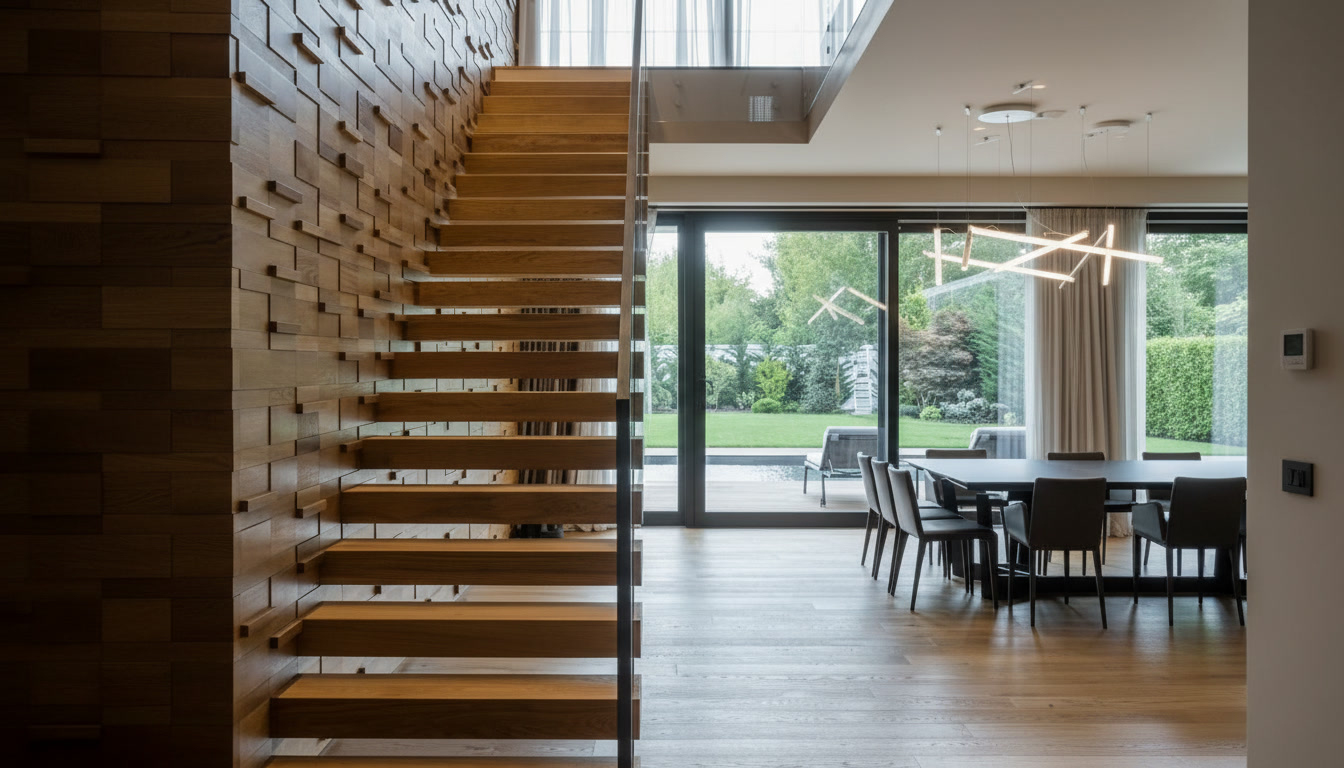
Floating wooden treads bring a visual lightness that traditional staircases rarely achieve. Open risers allow daylight to pass through, creating a brighter, airier atmosphere. The choice of timber—from the deep grain of oak to the pale clarity of maple—lets you match the staircase to a range of styles, from stripped-back minimalism to warm, rustic interiors.
What Practical Advantages Do Open Riser Designs Deliver?
Open riser staircases, central to many floating designs, offer everyday benefits as well as aesthetic ones.
- Clearer Sightlines: The open layout improves visibility and integrates the stair with the surrounding space.
- Better Light Distribution: Natural light travels through the steps, reducing shadowed areas and reliance on artificial lighting.
- Simpler Cleaning: Fewer enclosed surfaces mean less dust buildup and easier upkeep.
These functional perks make open riser stairs visually appealing and practical for daily living.
Which Woods and Materials Work Best for Floating Staircases?
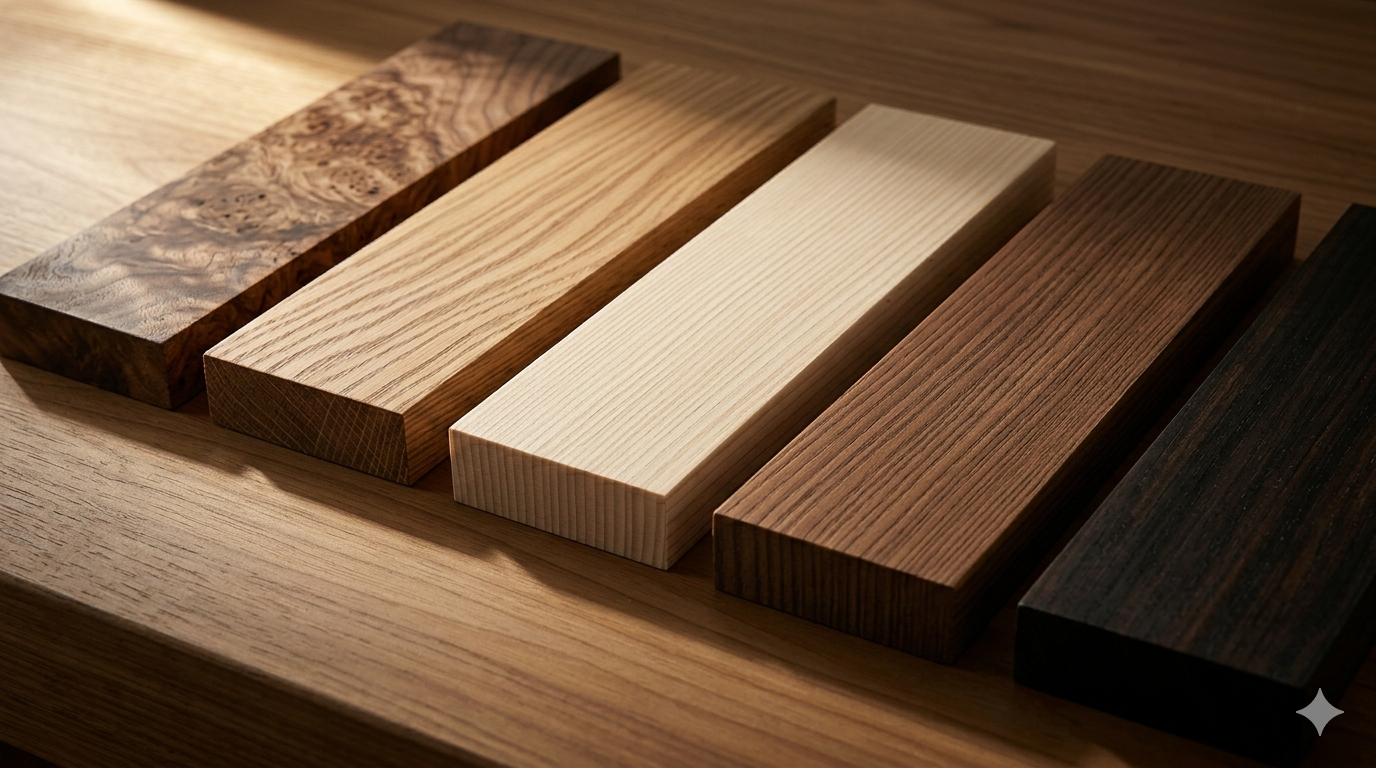
Picking the right timber affects both how the staircase looks and how it performs over time.
| Wood Type | Durability | Aesthetic Qualities |
| Oak | High | Prominent grain with warm, classic tones |
| Maple | Moderate | Light, even color with a smooth finish |
| Walnut | Moderate to High | Deep, luxurious color and refined grain |
Each species brings different strengths: oak for durability and character, maple for a clean, contemporary look, and walnut for a dramatic, high-end finish. Choose based on traffic, style, and budget.
Popular Railing Styles for Wood Staircases
Railing choice affects safety and the staircase’s overall character—several styles are commonly used with wooden treads.
- Glass Balustrades: Nearly invisible visually, they keep the space feeling open while meeting safety needs.
- Metal Railings: Combined with wood, metal introduces an industrial or modern accent for contrast.
- Traditional Wooden Balusters: Timeless options that harmonize with the staircase material for a cohesive look.
Pick a railing that balances your aesthetic goals with required safety standards.
How Finishes Affect Durability and Look
The finish you choose determines how the wood ages and performs.
- Staining: Brings out grain and deepens color, helping you achieve a specific tone.
- Sealing: Shields the wood from moisture and daily wear, extending lifespan.
- Varnishing: Creates a protective surface—matte to high-gloss—while enhancing visual depth.
Matching finish type to the expected traffic and exposure will keep your staircase both beautiful and resilient.
Maintenance and Safety Essentials for Wooden Floating Stairs
Routine care and periodic checks keep floating stairs safe and looking their best over time.
- Regular Cleaning: Remove dust and grit to prevent surface wear and slippage.
- Routine Inspections: Check fixings, treads, and railings for looseness or damage.
- Refinishing When Needed: Reapply protective coatings as finishes show wear to preserve the wood.
Consistent upkeep protects your investment and helps avoid costly repairs down the line.
Practical Maintenance Tips for Longevity
Simple habits extend the life of wooden floating staircases.
- Choose Mild Cleaners: Harsh chemicals can strip finishes—use gentle products recommended for timber.
- Maintain Protective Layers: Re-seal or recoat periodically to block moisture and wear.
- Repair Damage Quickly: Fix scratches or loose elements promptly to prevent larger problems.
Routine attention keeps the staircase safe, functional, and attractive for years.
Are Floating Stairs Safe — and What Safety Measures Help?
When engineered and installed correctly, floating stairs can meet safety standards and perform reliably.
- Correct Railing Heights: Ensure balustrades comply with local codes to reduce fall risk.
- Non-Slip Surfaces: Use textured or treated treads where slip resistance is important.
- Scheduled Inspections: Ongoing checks for stability and wear help catch issues early.
With these precautions, you can enjoy the sculptural appeal of floating stairs without compromising on safety.